 Submitted by LTC Nathan Wiedenman on October 17th, 2013
 Submitted by Bill Milam on October 17th, 2013
 Submitted by Ian Dobson on October 17th, 2013
 Submitted by Janos Sztipanovits on October 17th, 2013
Cyber-Physical Systems: A Natural Convergence of Engineering and Computer Science
This talk is part of the Triangle Computer Science Distinguished Lecturer Series
Abstract:
Cyber-physical systems (CPS) represent a tight integration of computing and communications with the physics and real-time dynamics of engineered systems. They will revolutionize many sectors including transportation, critical infrastructures, manufacturing, healthcare and medical devices, aerospace and defense. In this talk, we will present some grand challenges that can be met by advances in cyber-physical systems. This will be followed by a detailed description of 3 areas of CPS research projects that the speaker is working on: (1) Planetary-scale sensor-actuator networks with applications to the smart grid, (2) Smart Surveillance systems, and (3) Autonomous Driving Systems. Current status of each project will be complemented by a description of research challenges that need to be addressed. These systems will hopefully offer insights into why the integration of engineering and computer science into a master discipline that can enrich both domains while yielding significant, perhaps even revolutionary, practical benefits.
Short Bio:
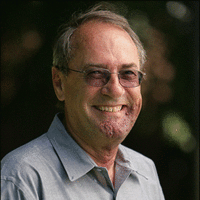
Dr. Raj Rajkumar is a Professor of Electrical and Computer Engineering, and Robotics Institute at Carnegie Mellon University. He also serves as a Co-Director for the General Motors-Carnegie Mellon Vehicular Information Technology Collaborative Research Lab, Co-Director of the General Motors-Carnegie Mellon Autonomous Driving Collaborative Research Lab and as a Director of the Real-Time and Multimedia Systems Laboratory at Carnegie Mellon University. He has served as General Chair and/or Program Chair of multiple conferences including the IEEE Real-Time Systems Symposium, the IEEE Real-Time Technologies and Applications Symposium, the ACM/SPIE Symposium on Multimedia Computing and Networks, International Symposium on International Symposium on Vehicular Computing Systems and the International Conference on Networked Sensing Systems. He has chaired or co-chaired 5 NSF-sponsored workshops targeting a national research initiative on cyber-physical systems. He is also currently serving as the Chair of the IEEE Technical Committee on Real-Time Systems. He obtained his M.S. and Ph.D. degrees from Carnegie Mellon University in 1986 and 1989 respectively. He has given several keynote talks and has 4 Best Paper Awards. Dr. Rajkumar's research interests include all aspects of embedded real-time systems. Some of his current research projects include FireFly wireless networks, resource kernels for guaranteed enforcement of throughput, timeliness and power-consumption in real-time operating systems, vehicular networks, and methodologies for model-based design and development.